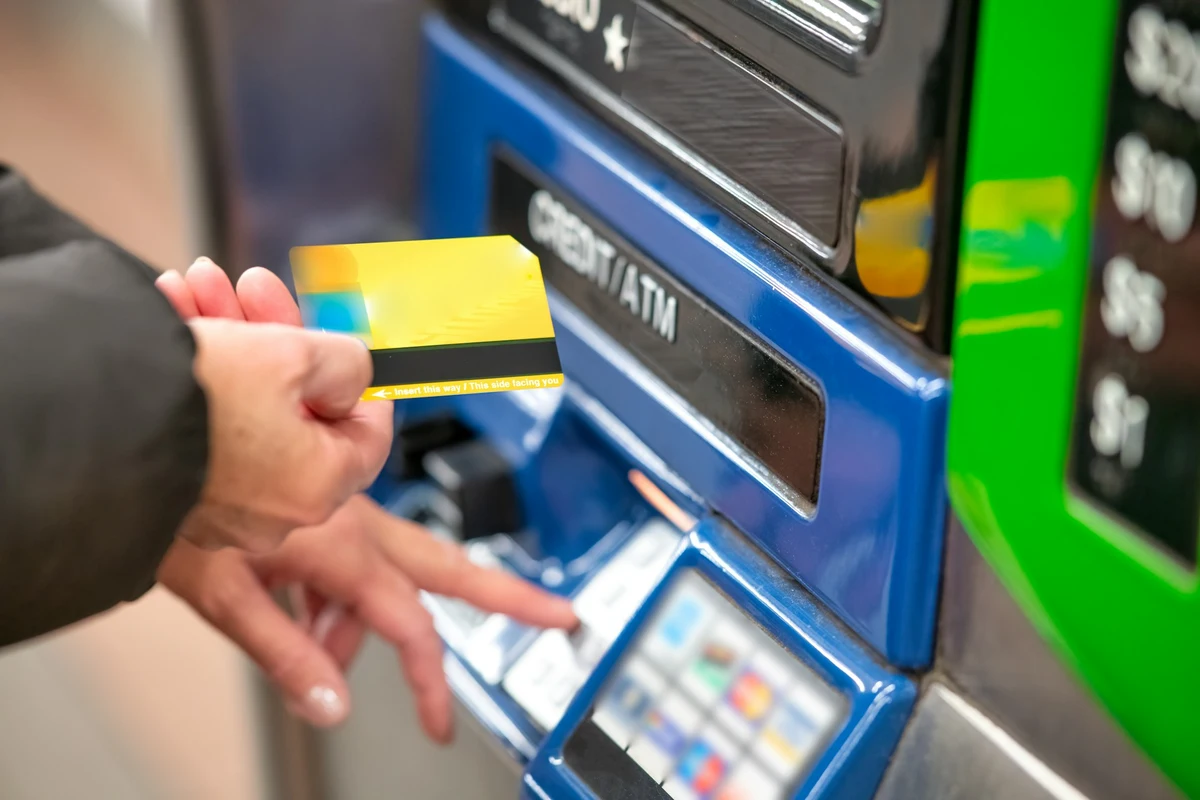
Yes — you can use an ATM at a different bank, but it often comes with fees. When you withdraw cash from an ATM not owned by your bank, you may be charged by both the ATM operator and your own bank. Understanding when these fees apply — and how to avoid them — can save you money.
This guide explains how using another bank’s ATM works, what fees to expect, and when withdrawals can still be free.
What Happens When You Use Another Bank’s ATM
When you use an ATM owned by a different bank, the transaction passes through shared ATM networks. This allows access to your account, but it also opens the door to fees.
In many cases, two separate fees may apply:
- ATM operator surcharge: Charged by the bank or company that owns the ATM.
- Out-of-network fee: Charged by your bank for using another institution’s ATM.
Combined, these fees often total $5 to $8 per withdrawal.
When Using Another Bank’s ATM Is Free
Using a different bank’s ATM does not always mean you’ll pay fees. Withdrawals may be free if:
- The ATM is part of your bank’s surcharge-free network.
- Your account includes ATM fee reimbursements.
- The ATM is operated by a partner institution.
To locate free options, start with our guide to finding no-fee ATMs near you.
How Much Do Fees Usually Cost?
Fees vary by bank and location, but typical charges include:
- ATM operator surcharge: $2 to $5 per transaction.
- Bank out-of-network fee: $2 to $3 per withdrawal.
These fees are usually disclosed on the ATM screen before you confirm the transaction.
How to Avoid Fees When Using Another Bank’s ATM
If you need to use a different bank’s ATM, these strategies can help minimize or eliminate fees:
- Use surcharge-free ATM networks: Many banks partner with nationwide networks.
- Withdraw larger amounts less often: Fewer transactions reduce total fees.
- Choose accounts with reimbursements: Some banks refund ATM fees monthly.
- Use cash back at checkout: Retail cash back is usually fee-free.
For a broader strategy, see how to avoid ATM fees.
How ATM Networks Affect Out-of-Network Withdrawals
ATM networks allow banks to share machines and reduce fees for customers. If your bank participates in a surcharge-free network, you may be able to use thousands of ATMs without paying the operator fee.
Learn more by reviewing the best no-fee ATM networks.
Withdrawal Limits and Multiple Transactions
Daily and per-transaction limits can force you to make multiple withdrawals — increasing the chance of fees when using another bank’s ATM.
To understand how limits work, see ATM withdrawal limits and our cash withdrawal limits guide.
International ATMs and Foreign Banks
Using an ATM outside the United States often involves additional fees, including foreign transaction charges and currency conversion costs.
If you’re traveling abroad, review how ATM exchange rates work before withdrawing cash.
Bottom Line
You can use an ATM at a different bank, but fees often apply unless your bank participates in a surcharge-free network or offers reimbursements. Knowing when fees apply — and planning withdrawals ahead of time — can help you avoid unnecessary costs.
For a fee-free strategy, start with no-fee ATMs near you and expand your approach using ATM fee avoidance tips.