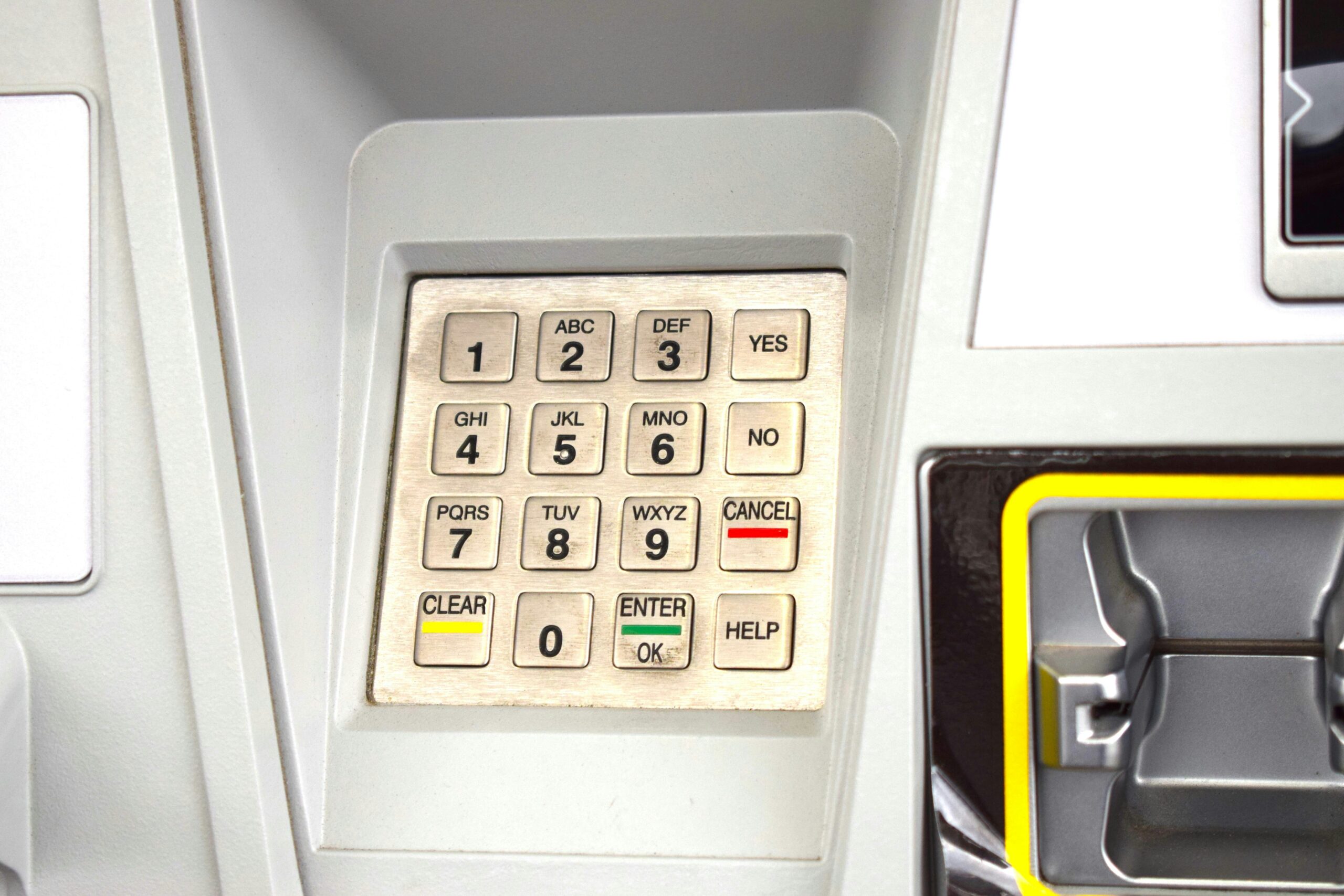
People usually search for an EBT-friendly ATM when they need cash immediately, not when everything is working perfectly. The closest machine might accept EBT on paper but still fail in real use because it is out of cash, offline, or restricted by the network. This page focuses on how EBT ATM access actually works, where it breaks down, and how people avoid wasted trips and unexpected fees.
When an EBT Card Works at an ATM
EBT cards can be used at ATMs, but only if your benefits include cash assistance and the ATM supports EBT withdrawals.
- SNAP benefits: Food-only benefits. These cannot be withdrawn as cash at ATMs.
- TANF or cash assistance: Allows cash withdrawals at participating ATMs and cash back at some retailers.
Even with cash benefits available, many ATMs will still decline the transaction because the machine does not support EBT or is temporarily restricted.
ATMs That Tend to Accept EBT More Reliably
Over time, people relying on EBT notice patterns in which ATMs are more dependable.
- Large grocery stores: ATMs inside supermarkets are commonly restocked and more likely to support EBT withdrawals.
- Big-box retailers: Locations like Walmart often host machines that accept EBT and also offer cash-back alternatives.
- High-traffic retail areas: ATMs in busy shopping centers tend to be more reliable than isolated machines.
Small convenience-store ATMs and stand-alone machines are less predictable. These are the machines most likely to be out of cash or decline EBT transactions without a clear reason.
Why Nearby EBT ATMs Often Fail
EBT transactions depend on state systems, ATM network support, and machine availability. When any of those fail, the withdrawal fails.
- Balance checks work, but withdrawals are declined
- ATMs run out of cash earlier on benefit deposit days
- Machines go offline without warning
- Transactions fail even though funds are available
If your withdrawal is declined, it is often the machine, not your card. This is covered in more detail in our guide on ATM declined transactions.
How Fees Show Up With EBT Withdrawals
Most EBT programs include a limited number of free ATM withdrawals each month. After those are used, fees can add up quickly.
- State program fees after free withdrawals are exhausted
- ATM operator surcharges at off-network machines
- Multiple fees from repeated small withdrawals
Many people reduce fees by using known no-fee ATMs and withdrawing larger amounts less often. Planning around standard ATM withdrawal limits also helps prevent declined transactions.
Timing and Demand Matter More Than Expected
EBT ATM reliability changes throughout the day and week. Early mornings and weekday afternoons tend to be the smoothest. Evenings, weekends, and benefit deposit days bring higher failure rates.
On high-demand days, even reliable machines can run out of cash. Many people adjust by withdrawing earlier than needed to avoid last-minute problems.
Cash Back as an Alternative to ATMs
Cash back at retail stores is often more reliable than ATMs for EBT users. Grocery stores and large retailers may allow cash back with eligible purchases and typically do not charge ATM-style fees.
This option avoids empty machines and offline errors entirely. More details are explained in our guide to EBT cash withdrawal options.
Final Thoughts
Finding which ATMs accept EBT cards near you is less about searching and more about experience. People quickly learn which machines fail during peak times and which locations quietly charge fees.
Sticking to dependable locations, avoiding peak demand, and using cash back when possible can save time and money. For broader guidance, explore the main Nearby ATMs resource.